
Dedicated to optical precision components
and Solution of high-tech core solutions
How far are smartphone cameras with aperture controls still from DSLRs?
Release Date:
2021-06-30 11:03
Source:

In the past two years, many smartphone manufacturers frequently claimed that their flagship models could match DSLRs in terms of photography. However, after complaints from users and consumers, few brands now use the “DSLR‑level” marketing buzzword to promote their phones. So why can’t smartphone cameras match DSLRs? Where does the gap lie? [Light‑blocking diaphragm]

Since their inception, smartphones have consistently retained communication as one of their core functions. As the mobile industry has advanced, device integration has steadily increased, and the incorporation of cameras has endowed phones with even more capabilities. However, as a secondary feature, cameras inevitably leave limited room in the phone’s design. Consequently, smartphone cameras are significantly smaller than standalone cameras. [Aperture]
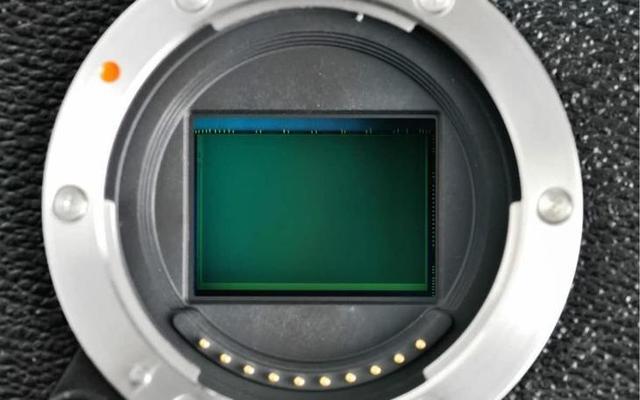
In the past two years, some manufacturers have launched camera‑focused smartphones, adding a large, prominent camera module to existing models to meet diverse photography needs. However, such a bulky camera often compromises the phone’s slimness and lightness, making it heavier and thicker. Because smartphone image sensors are much smaller than those in DSLRs, bridging the gap between the two remains quite challenging. [Aperture]
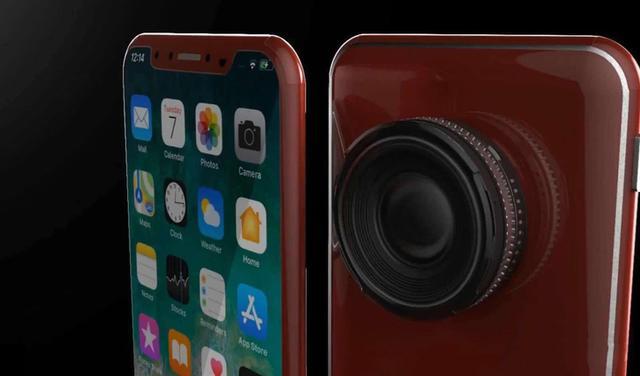
Although smartphone cameras can’t match DSLRs, they still excel in certain photographic techniques. Today’s dual‑camera phones offer 2× optical zoom and even support background blur—achieved through software algorithms—though the resulting effect does mimic the large‑aperture look of a DSLR. In short, it’s extremely challenging for smartphone cameras to rival DSLRs in overall image quality, but they can certainly hold their own when it comes to creative shooting options. [Light‑blocking ring]
Related News
VIC Ultra-Low-Reflectance Black Coating
Inside a lens assembly, reflections from metal spacer rings, lens retainers, baffle rings and the inner walls of the lens barrel can generate flare. The resulting artifacts include flare, halos, ripple-like patterns and ghost images, all of which degrade image quality, as illustrated.
Invitation to the 2026 Japan Optoelectronics Exhibition from Yamagata Optics
〇 A mature, stable production system and a precise stray-light elimination solution 〇 Addressing customer pain points—delivering products that deliver real value
The Yokohama Optoelectronics Exhibition in Japan concluded successfully, yielding abundant results.
Yamagata Optics manufactures shutter blades, apertures, bases, lens barrels, caps, spacers, and camera housings, which can perfectly address image quality issues caused by various types of stray light.
Ultra-Low-Reflectance Coatings for Metal Components Over 99.9% Light Absorption
Inside a lens assembly, reflections from metal spacer rings, lens holder, barrel,spacer , baffle rings and the inner walls of the lens barrel can generate stray light. The resulting artifacts include light streaks, halos, ripple-like patterns and ghost images, all of which degrade image quality, as illustrated.
Serrated-Aperture Diaphragms for Stray-Light Suppression
Yamagata Optical's patented serrated aperture-edge design offers clear advantages over conventional wavy-edge designs. This innovative geometry provides highly effective stray-light suppression. It reflects our long-standing commitment to advancing precision optical components through research and engineering innovation.
Ion Coating Dramatically Reduces Baffle-Ring Reflectance
Yamagata Optical's ion-coating process reduces baffle-ring reflectance by a factor of 8.6. In addition to multiple solutions for suppressing stray light at the aperture edge, we can apply an ultra-low-reflectance ion coating to both sides of the film used to manufacture baffle rings. After treatment, reflectance can fall below 0.3%, substantially improving camera-module optical performance.
Yamagata Optics lens hood ion plating technology
After ion-plating treatment, Yamagata Optics has achieved an 8.6-fold reduction in the reflectance of its aperture. Currently, in addition to multiple anti-glare and stray-light suppression solutions for the inner bore of the aperture, Yamagata Optics can also apply ultra-low-reflection ion-plating to both sides of the raw-material light-shielding film. Following this anti-reflection treatment, the reflectance can be reduced to below 0.3%, significantly enhancing the optical performance of the camera.
In optical imaging, light can be both essential and disruptive. An unwanted ray may reflect off a lens-barrel wall, scatter from a spacer ring or diffract at a baffle edge. The result can be ghosting, halos, light streaks, ripple-like artifacts or veiling glare that washes out the image. Together, these forms of stray light undermine image clarity, contrast and signal-to-noise ratio.
Leave a message for inquiry
If you’re interested in our products, please leave your contact information, and we’ll get in touch within 24 hours!
Contact Us
Address: No. 7, Rongxin Road, Shangsha Community, Chang’an Town, Dongguan City
Tel: +86-769-88876675
Mob phone: +86-178 2508 7805
Fax: +86-769-88876675
Email:agm@yamagataopt.com
WeChat: hd254292465
WeChat Video Channel:山形光学tonyhuang
Corporate Official Account: 山形光学
Online Consultation
Mob:
Tel:
E-mail:
在线客服添加返回顶部
右侧在线客服样式 1,2,3 1
图片alt标题设置: Dongguan Yamagata Optics Co., Ltd.
表单验证提示文本: Content cannot be empty!
循环体没有内容时: Sorry, no matching items were found.
CSS / JS 文件放置地